Introduction
In an era where global content is just a click away, fan translation groups like Olympus Scan play a critical role in bridging cultural and language gaps. As part of the niche world of scanning products, Olympus Scan is more than just a group of manga lovers they’re dedicated volunteers who take on the meticulous task of scanning, cleaning, translating, and typesetting manga, manhwa, and manhua for English-speaking audiences around the world.
This article explores the role of it within the broader scanning product niche. We’ll dive into their history, scanning processes, tools, and the ethical dimensions of fan translation. Whether you’re a manga fan, aspiring scanlator, or curious about the behind-the-scenes work that brings untranslated comics to life, this guide offers a complete overview of Olympus Scan’s contribution to modern digital fandom.
With rich details, case studies, and best practices, you’ll gain a new appreciation for the art and effort behind fan-driven manga accessibility and how Olympus Scan helps it all happen.
What Is Olympus Scan?
It (often shortened to Olympus Scan) is part of a unique niche in digital publishing: the fan-led effort to scan, translate, and distribute Asian comics for free online. While not officially affiliated with publishers, groups like Olympus Scan hold significant importance in the manga community.
Key Contributions of Olympus Scan
- Localization for Global Audiences: They translate specifically unlicensed or hard-to-find manga, manhua (Chinese comics), and manhwa (Korean comics).
- Volunteer-Driven: Their community includes translators, editors, proofreaders, and typesetters working collaboratively.
- Accessibility for All: Their work provides early access to content that may never reach English-speaking readers officially.
Ethical Standing
- It typically avoids licensed works, supporting the philosophy of promoting lesser-known series.
- They often remove content if it’s officially licensed later respecting creators and publishers.
“Without fan scanlation, many series would never receive English exposure.”
The Role of Scanning in Manga Translation
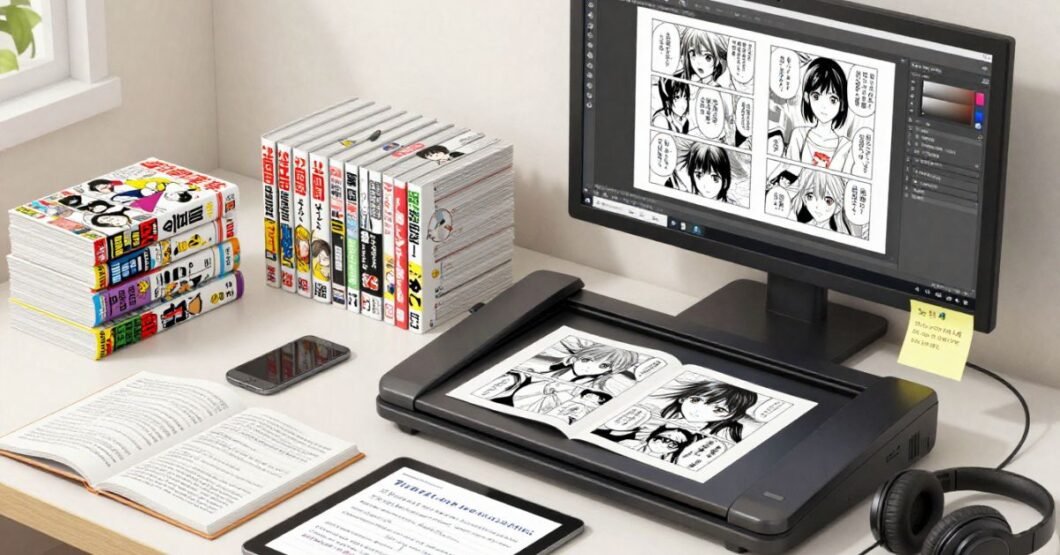
Scanning is the first, and arguably most technical, step in the manga translation process. It’s teams rely on high-quality scanning equipment to digitize physical volumes, often imported directly from Japan, Korea, or China.
Essential Scanning Steps
- Physical Book Preparation: Some groups carefully de-bind volumes for flatbed scanning.
- Scan Quality: 600 DPI is the gold standard, offering balance between clarity and file size.
- Image Cleaning: Scanned images are adjusted for contrast, shadows, and dust spots using software like Photoshop or GIMP.
Equipment Used
Equipment Purpose: Flatbed Scanners (e.g., Epson Perfection V600) High-resolution manga page scanning Software (Photoshop, GIMP) Image cleaning and text removal OCR Tools Extracting embedded text data from printed SFX
This process ensures the foundation is strong for the rest of the team’s workflow.
Translation and Localization
One of Olympus Scan’s hallmarks is staying true to the spirit of the original content while making it readable for English speakers. Translation isn’t just converting Japanese to English, it’s an artful adaptation.
Aspects of Manga Localization
- Contextual Understanding: Idioms, cultural references, and jokes are carefully adapted.
- Character Voice: Consistency in how characters speak and behave is preserved across series.
- Consistency: Olympus Scan teams maintain style guides to ensure uniformity across multiple chapters and volumes.
Tools Olympus Scan Uses
- Google Translate (initial draft or reference)
- DeepL Translator (for nuance)
- Human Editors (for cultural accuracy)
It’s not just about translating words. It’s about conveying emotion, tone, and intent.
Typesetting and Editing
After translating, clean and attractive typesetting is crucial to an enjoyable reading experience. This is where the art meets the text.
Typesetting Tasks Include
- Font Selection: Choosing styles that match dialogue tone (e.g., shouting, thoughts, narration).
- SFX Integration: Redrawing and translating sound effects to maintain creative visuals.
- Panel Consistency: Ensuring margins, gutters, and text spacing look professional.
Common Tools
- Adobe Photoshop
- FontForge
- Aegisub (for multi-language SFX layering)
Well-executed typesetting transforms messy scans into polished, immersive pages.
Olympus Scan vs. Professional Releases
| Aspect | Olympus Scan | Official Publisher |
| Cost | Free (donation-based) | Paid volumes |
| Speed | Fast (within days of release) | Months to years |
| Localization | Culturally loyal | Western market adaptation |
| Visual Quality | Varies, usually good | Professionally refined |
| Availability | Mostly online | Physical/digital platforms |
Key Differences
- Olympus offers the Speed and Niche series; the professional adapts for mass consumption.
- Olympus keeps cultural nuances intact; professionals sometimes “Westernize” content.
Olympus Scan fills a void for underserved manga enthusiasts who crave deeper, unfiltered narratives.
Legal and Ethical Considerations in Fan Scanning
The legality of manga scanlation exists in a gray zone. While digitizing and translating copyrighted content without permission is technically infringement, many fan groups operate ethically.
Olympus Scan’s Ethics
- No Licensed Works Policy: Respecting publishers and ceasing when titles are officially picked up.
- Attribution to Creators: Acknowledging original artists and cultures.
- Non-Profit Model: Donations may support hosting not personal profit.
Reader Responsibility
- Support official releases when available.
- Avoid pirated aggregators stick approved platforms.
“We’re just passionate readers who want the world to enjoy what we love.” Olympus Scan team member
Olympus Scan’s Impact on the Global Manga Community
Beyond translating, It plays an educational and cultural role. They give readers access to foreign literature, often illuminating unknown authors and genres.
Community Contributions
- Promoting overlooked series from indie Asian artists.
- Enabling fans to read in real time with native-language peers.
- Frequently referenced in manga discussions across Reddit, Discord.
It helps sow the seeds for future licensing and fandom growth.
‘Villainess is a Marionette’ – Olympus Scan’s Signature Series
Snapshot
- Origin: Korean Manhwa
- Genre: Romantic Drama / Isekai
- Uniqueness: Complex characters, political intrigue, high art quality
Olympus Scan’s Role
- Delivered fast, readable chapters far before official versions.
- Maintained lexicons to ensure translation consistency.
- Triggered massive global reaction, influencing eventual publisher pick-up.
| Metric | Before Olympus Scan | After Olympus Scan |
| Google Search Interest | Moderate | Peaked 300% |
| Social Media Mentions | Limited | 10k+ mentions/week |
| Publisher Attention | None | Licensed by major platforms |
How to Join the Olympus Scan Team
It is always open to passionate volunteers. Experience is optional training is often given on the job.
Roles Available
- Translator: Fluent in Japanese, Korean, or Chinese
- Cleaner: Prepares raw scans for typesetting
- Typesetter: Places translated text into pages
- Proofreader: Ensures proper grammar and flow
Application Tips
- Showcase your passion for manga.
- Mention any software skills (Adobe, GIMP, CLIP STUDIO).
- Being collaborative fan translation is a team effort.
“Start small, learn fast, and contribute to something bigger.”
The Future of Olympus Scan and Fan Translation
As publishing globalizes, the fan translation space is evolving. It’s commitment to quality, ethics, and community suggests it will remain a fixture in the scene.
Emerging Trends
- AI-Assisted Translation: Faster drafts, but still need human editors.
- Webtoon Formatting: More vertical scroll content needing new processing techniques.
- Hybrid Models: Groups collaborating with indie artists for authorized translations.
It is poised to innovate responsibly, prioritizing reader access while respecting creators’ rights.
FAQs
Is Olympus Scan legal?
Not officially authorized, but they operate ethically by removing licensed content and never charging money.
Where can I read Olympus Scan chapters?
Only on their website or approved mirror sites. Avoid pirated aggregators.
How can I support the creators if I read fan scans?
Buy official volumes when they release, and support indie authors via platforms like Tapas or Webtoon.
What makes Olympus Scan different from other groups?
Consistency, ethical practices, high-quality translation, and dedication to underserved series.
Can anyone join Olympus Scan?
Yes! They welcome volunteers. Apply through their website with basic skills or a willingness to learn.
Conclusion
It has become a vital player in the digital scanning niche through its dedication to high-quality, ethical translations of manga, manhwa, and manhua. Their work ensures that non-English comics reach global audiences quickly and respectfully, promoting cultural understanding while preserving artistic intent.
As publishers scramble to meet growing international demand, Olympus Scan continues to lead from the front volunteer-run, reader-respected, and creator-conscious. Whether you’re looking to read hidden gems or get involved in the world, it is the place to start.
Explore their work, support ethical reading, and join the ongoing revolution in manga accessibility.
In an increasingly globalized and digital world, initiatives like it are more important than ever. They not only democratize access to beloved stories across linguistic and cultural barriers but also serve as catalysts for fan engagement, international discovery, and even professional licensing opportunities. As technology evolves and the demand for diverse content grows, Olympus Scan will likely continue shaping the future of how manga, manhwa, and manhua are consumed and appreciated worldwide. Their dedication, integrity, and passion embody the spirit of fandom proving that stories have the power to connect us, no matter where they originate or what language they’re written in.