
Introduction
Have you ever heard the word “vacuum” and thought only of cleaning your floor? It actually means much more, especially when we’re talking about measuring vacuum. In simple words, a vacuum isn’t something, it’s the absence of something, usually air. And when we talk about measuring a vacuum, we’re actually talking about measuring how much air is missing compared to normal air pressure around us.
Sounds complex? Don’t worry. It will be explained as simply as possible in this essay. From your coffee maker to outer space, vacuum plays a surprising role in everyday life. Understanding how we measure vacuum can also help us see how various appliances and technologies work better, longer, and more safely.
In this guide, we’ll explore what a vacuum is, how it’s measured, why it’s important, and how it’s connected to the world around you even if you never thought about it before! Let’s dive in and uncover the hidden science of vacuum in a lifestyle-friendly way.
What Is a Vacuum?
An area with extremely little or no air pressure is called a vacuum. When we remove air from a space, we create a vacuum. This doesn’t happen naturally on Earth very often because air fills most spaces.
Key Points
- Vacuum = low or no air.
- It’s measured in units of pressure, usually Pascal (Pa), Torr, or millibar.
- The stronger the vacuum, the fewer air particles in space.
- Full vacuum (zero air) is almost impossible to achieve on Earth.
Everyday Examples
- A vacuum in your vacuum-sealed food bag keeps food fresh.
- In thermos flasks, a vacuum layer keeps drinks hot or cold.
- Space is a near-perfect vacuum with almost no air at all!
Understanding vacuums helps us see how air pressure affects everything from coffee brewing to space travel.
Why Measuring Vacuum Matters
Measuring vacuum isn’t just for scientists or NASA engineers. It plays an important role in keeping appliances, industrial machines, and even medical tools working properly.
Benefits of Measuring Vacuum
- Efficiency: Machines like vacuum pumps run better when vacuum levels are correct.
- Safety: If the vacuum isn’t strong enough, systems can break or fail.
- Freshness: Vacuum-sealed items like meat or coffee stay fresher longer.
- Energy saving: Proper vacuum levels reduce power use in some systems.
Real-Life Use Cases
- Car brake systems use vacuum pressure for easier braking.
- Vacuum packaging keeps air out to reduce food spoilage.
- HVAC systems rely on a good vacuum to avoid refrigerant leaks.
When we can measure vacuum, we can better control how machines and devices perform.
How Is Vacuum Measured?
Vacuum is not seen, but it’s measured with tools. These tools read negative pressure levels and show how much air is missing compared to normal air pressure.
Common Measurement Units
| Unit | Description |
|---|---|
| Pascal (Pa) | Standard SI unit |
| Torr | Used in laboratories |
| mmHg | Millimeters of Mercury |
| Bar / mbar | Metric pressure units |
Tools Used to Measure Vacuum
- Vacuum gauge: A simple tool to measure how much vacuum is present.
- Digital vacuum meter: Gives accurate electronic readings.
- Manometer: Measures pressure difference using fluids.
All these tools are designed to tell you the strength of the vacuum in a specific area. Choosing the right tool depends on what you’re measuring—food machines, medical devices, or engines.
Types of Vacuum Levels
Not all vacuums are the same. There are different levels of vacuum, and each has its own purpose.
Main Vacuum Types
| Type | Pressure Range | Example Application |
| Rough Vacuum | 1000 to 1 mbar | Vacuum cleaners |
| Medium Vacuum | 1 to 10⁻³ mbar | Refrigeration systems |
| High Vacuum | 10⁻³ to 10⁻⁷ mbar | Scientific labs |
| Ultra-High Vacuum | Below 10⁻⁷ mbar | Space simulations |
Everyday devices work under rough or medium vacuums, while scientific instruments may use high or ultra-high vacuums.
Understanding vacuum levels helps you pick the right equipment or maintain existing ones.
Measuring Vacuum at Home
You don’t need to be a scientist to measure vacuum. Some devices in your home already measure it for you!
Examples in Daily Life
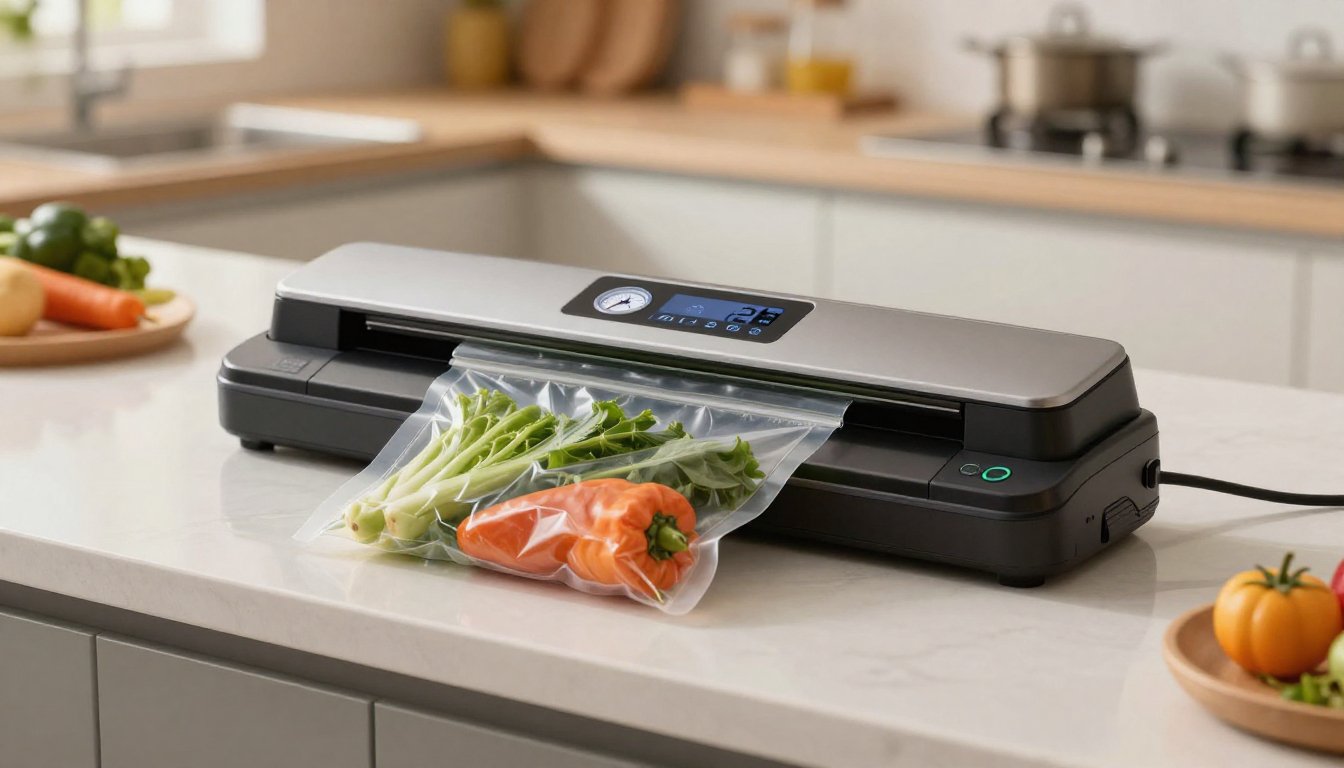
- Vacuum sealers: Use small pumps to remove air.
- Air pressure sensors: Found in heating systems or smart thermostats.
- Food jars: A “pop” sound means a vacuum seal was present.
- Pressure cookers: Use steam and vacuum to cook faster.
Tips
- Want to test a vacuum? Try placing a rubber cap or suction cup on a clean surface. If it stays, a vacuum seal is in place!
- Check vacuum-sealed items in your fridge. Flattened bags mean good vacuum pressure.
Small moments at home give you a chance to learn how a vacuum works and how it’s measured without fancy gadgets.
Tools for Better Lifestyle Vacuum Use
While vacuum tools may sound industrial, many are built for everyday use.
Handy Tools
- Digital Vacuum Gauges: Reads vacuum in cooking, brewing, or hobby projects.
- Vacuum Test Pumps: Used for testing brake systems or sealed containers.
- Vacuum Chambers: Small home units for art projects, resin casting, or removing air from liquids.
Price Range
- Basic analog gauge: $15–$30
- Digital vacuum gauge: $50–$100
- Home vacuum chamber: Around $150
These tools are affordable and helpful for DIYers, food savers, and hobbyists. Using them improves accuracy and ensures quality results.
Vacuum in Health and Wellness
Vacuum even plays a role in healthcare and wellness living. From beauty routines to medical tools, negative pressure has many uses.
Common Health Applications
- Cupping therapy: Uses suction on the skin believed to improve circulation.
- Vacuum-assisted wound therapy: Helps wounds heal faster.
- Breast pumps: Use gentle vacuum to draw milk.
- Lab equipment: Many tests are done under vacuum conditions for accuracy.
These technologies show that vacuum is not only about machines. It supports well-being and life-care routines.
Challenges in Measuring Vacuum
Despite all the tools and methods, measuring vacuum isn’t always easy.
Common Problems
- Incorrect Equipment: Using the wrong unit (Torr vs Pa) creates confusion.
- Leakage: Air leaks lower vacuum strength over time.
- Sensor Errors: Calibration required for accuracy.
- Extreme Temperatures: Can affect vacuum measurement tools.
Solution Tips
- Always use the correct type of gauge for the vacuum level you want.
- Regularly maintain your vacuum systems.
- Understand the unit system your gauge uses.
Knowing what can go wrong helps you measure vacuum more accurately and keep devices working longer.
Real-Life Case Studies
Vacuum Packaging Food
A home cook uses a vacuum sealer to prepare meals. The gauge on the device reads -70 kPa, which means most of the air is removed. Food stays fresh 3 times longer in the freezer.
Car Braking System
An auto mechanic used a Measuring vacuum tester on brake boosters. The reading was below normal (-50 kPa instead of -70 kPa), showing a weak vacuum. Replacing an air hose solved the issue and improved braking safety.
Lessons Learned
- Measuring vacuum can improve safety.
- It boosts efficiency in food storage.
- Helps diagnose problems before they become big.
Future of Vacuum Technology in Lifestyle
Measuring vacuum technology continues to grow in the lifestyle space, especially as smart homes, green tech, and health gadgets develop.
Trends to Watch
- Smart kitchen appliances: Measure vacuum levels for better cooking.
- Eco-friendly packaging: Using vacuum-sealed, reusable containers.
- Personal wellness devices: Vacuum-based facial care and massage tools.
As daily tools become smarter, they will rely more on measuring and controlling vacuum. Understanding this now prepares you for that future.
FAQs
What is the best way to measure vacuum at home?
Digital vacuum gauges or built-in sensors in appliances like vacuum sealers work great.
Is a vacuum the same as suction?
Not exactly. Suction creates a partial vacuum to pull air or liquid, but a vacuum is the state of low or zero pressure.
How do you know if the vacuum is working properly?
Check temperature, sound changes, or gauge readings. Also, look for airtight seals.
Can I use one gauge for all vacuum levels?
No. Use the right tool for the right vacuum range, rough, medium, or high vacuum.
Why use a vacuum in food storage?
Removing air slows down spoilage and keeps food fresh longer by preventing bacteria growth.
Conclusion
Measuring vacuum might sound like a high-tech concept, but it’s already part of your lifestyle. From keeping your food fresh to helping your car perform better, the vacuum is all around us just out of sight. And now that you understand how it works, how it’s measured, and why it’s useful, you can take better care of your tools, your home, and even your health.
By recognizing and using measuring vacuum in your day-to-day life, you’ll benefit from longer-lasting devices, smarter systems, and a more efficient lifestyle. Whether you’re cooking, crafting, fixing, or relaxing vacuum plays its part quietly and effectively behind the scenes.