Introduction
In today’s fast-moving digital world, online trends can emerge from nowhere and reshape internet culture within weeks. One of the most intriguing recent examples is Dixkidzoz, a technology-driven online movement blending creativity, social media dynamics, and community collaboration. What started as a niche digital expression has grown into a recognizable trend discussed across platforms, creative forums, and marketing circles.
But why has this phenomenon gained so much attention? What makes it different from other viral moments that quickly disappear? And what does it reveal about the future of technology, content creation, and online communities?
This in-depth guide explores the origin, viral growth, creative community, social media influence, controversies, and future potential of Dixkidzoz. Whether you’re a digital creator, brand strategist, or tech enthusiast, you’ll gain valuable insight into how modern internet trends form and how they shape the broader digital ecosystem.
The Origin Story: How It All Began
Every online movement has a starting point. Dixkidzoz appears to have emerged organically within experimental digital communities focused on art, identity, and remix culture.
Unlike trends launched by major influencers or corporations, this one grew from grassroots participation. Early creators began sharing stylized visuals, abstract storytelling, and tech-enhanced edits under a unified theme. The movement slowly gained traction in creative forums before spreading to mainstream social platforms.
Key elements of its early development:
- Community-led participation rather than celebrity endorsement
- Heavy use of digital art and experimental visuals
- Short-form content optimized for algorithmic reach
- Open remix culture encouraging reinterpretation
The early adopters treated it less like a brand and more like a collaborative experiment. Participants built upon each other’s work, creating variations rather than duplicates. This origin reflects a broader technological shift: decentralized creation. Today, accessible editing tools, AI generators, and mobile production apps allow anyone to launch or evolve a digital trend.
Rather than relying on traditional gatekeepers, Dixkidzoz demonstrates how creative communities can independently shape cultural movements in the digital age.
The Viral Explosion: From Niche to Mainstream
The viral growth phase transformed Dixkidzoz from a niche idea into a cross-platform trend. This stage highlights how algorithms and engagement metrics shape modern visibility.
Several drivers fueled the rapid rise:
- Short-form video algorithms rewarding high interaction
- Trending sounds and visual formats boosting discoverability
- Influencer participation accelerating exposure
- User-generated challenges expanding reach
Below is a simplified overview of its viral stages:
| Phase | Primary Driver | Result |
| Early Sharing | Creative communities | High engagement, small scale |
| Algorithm Boost | Engagement metrics | Rapid content distribution |
| Influencer Adoption | Larger audiences | Mainstream visibility |
| Brand Observation | Marketing interest | Commercial curiosity |
The content evolved constantly. Creators experimented with visual transitions, AI-generated art, and layered storytelling techniques. Unlike static trends, this one thrived on reinvention.
Dixkidzoz key lesson? Sustainable virality often depends on adaptability. Instead of repeating a single format, the community continuously refreshed its creative direction, keeping audiences curious and engaged.
The Creative Community Powering the Trend
At its core, this movement is community-driven. Artists, editors, storytellers, and digital hobbyists contribute new interpretations daily.
The creative ecosystem typically includes:
- Graphic designers using advanced editing software
- Video creators producing short cinematic edits
- AI enthusiasts generating surreal imagery
- Meme creators adding humor and commentary
- Community moderators organizing discussions
What makes the community unique is its collaborative spirit. Rather than competing for dominance, many participants build upon others’ ideas.
Common creative tools used:
- AI image generators
- Motion graphics software
- Cloud-based editing platforms
- Augmented reality filters
- Mobile video editing apps
Research from institutions like Pew Research Center shows that participatory digital culture continues to grow. This trend fits perfectly within that broader shift toward shared online creativity. The movement thrives because it empowers individuals to experiment without rigid rules.
Social Media’s Role in Amplification
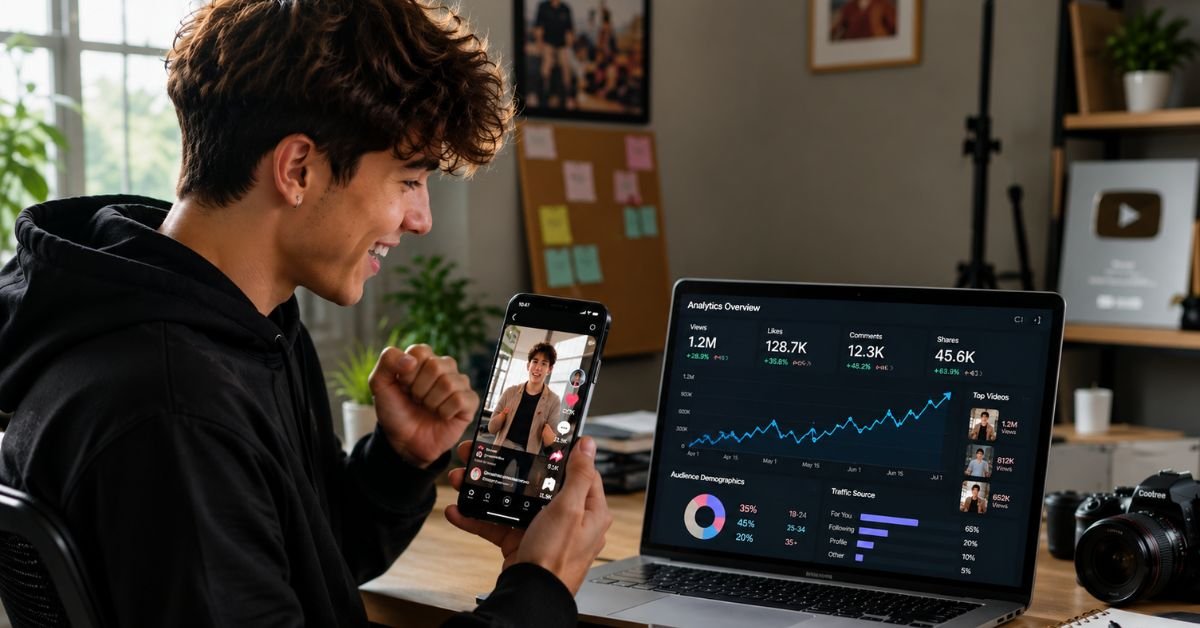
No modern digital trend can scale without social media infrastructure. Platform algorithms play a central role in determining visibility.
Different platforms contribute in distinct ways:
- TikTok: Rapid discovery through algorithmic recommendation
- Instagram: Aesthetic curation and visual storytelling
- YouTube Shorts: Extended creative edits
- Reddit: Theory discussions and deeper analysis
- Discord: Community coordination
Key amplification factors include the following:
- High engagement rates (likes, shares, comments)
- Repeatable content formats
- Interactive challenges
- Cross-platform reposting
This multi-channel presence strengthens visibility and prevents dependency on a single algorithm. Understanding platform behavior is essential. Creators who tailor content to each platform’s strengths often see the highest growth.
Technology as the Backbone
Technology is not just supportive, it’s foundational.
Several innovations enabled this movement:
- Generative AI for image creation
- Cloud-based collaboration tools
- Real-time editing apps
- High-speed mobile internet
- Augmented and mixed reality effects
Here’s a comparison between traditional digital trends and this tech-powered model:
| Traditional Trend Model | Modern Tech-Driven Model |
| Influencer-centered | Community-centered |
| Manual editing only | AI-assisted creativity |
| Static content format | Constantly evolving visuals |
| Limited remixing | Open reinterpretatio |
The accessibility of these tools lowers creative barriers. A smartphone and editing app are often enough to participate. This democratization of technology reflects broader shifts in digital media production.
Controversies and Ethical Debates
Like most viral movements, Dixkidzoz has not escaped criticism.
Main concerns include
- AI-generated content and originality
- Copyright issues in remix culture
- Content moderation challenges
- Brand appropriation risks
- Digital identity and anonymity debates
Critics argue that rapid replication can blur creative ownership. Others question whether AI-assisted visuals diminish authenticity. However, controversy often signals cultural relevance. Ethical debates encourage clearer guidelines and more responsible participation. Understanding these challenges helps creators navigate digital trends responsibly and sustainably.
Case Study: Creator Growth Through Participation
To illustrate its impact, consider this example:
Independent Digital Artist Growth
A new artist started making stylized changes that were influenced by Dixkidzoz’s style.
Within two months:
- Follower count increased by 400%
- Average video views surpassed 1.5 million
- Collaboration requests multiplied
- Audience engagement tripled
Success factors:
- Consistent visual identity
- Active audience interaction
- Adaptation to trending formats
- Timely participation in community challenges
This case demonstrates how strategic creativity within a viral ecosystem can accelerate visibility.
Marketing and Brand Opportunities
Brands are beginning to study this digital phenomenon as a potential engagement channel.
Opportunities include
- Authentic collaborations with creators
- Youth-focused campaigns
- Interactive storytelling
- Limited-edition digital experiences
However, brands must approach carefully.
- Respect community culture
- Avoid forced messaging
- Provide creative flexibility
- Support rather than dominate
Successful brand participation depends on understanding digital authenticity.
Psychological Drivers Behind Its Appeal
Why do users engage so passionately?
Key psychological motivators
- Desire for creative self-expression
- Community belonging
- Social validation
- Fear of missing out
- Exploration of digital identity
Interactive participation creates emotional investment. When users co-create meaning, they feel ownership of the movement. Behavioral studies show that interactive digital engagement increases retention and satisfaction explaining the sustained interest.
The Future Outlook
Predicting the future of Dixkidzoz requires analyzing technology trends.
Possible developments include:
- Integration with virtual reality platforms
- AI-driven collaborative storytelling
- Expansion into immersive digital spaces
- Educational creative workshops
- Blockchain-based creative ownership systems
Trends that endure typically evolve. If this movement adapts to emerging technologies and maintains community engagement, it may transition into a long-term digital subculture. Its future will depend on innovation, responsible participation, and sustained creative energy.
FAQs
What is Dixkidzoz?
It is a community-driven digital trend centered on creative expression, remix culture, and technology-enhanced visuals.
Where did it originate?
It began in niche creative communities before expanding through social media algorithms.
Is it connected to AI tools?
Yes. Many creators use AI-powered design tools to enhance visuals and storytelling.
Why has it become controversial?
Debates around originality, AI ethics, and copyright have sparked discussions within the community.
Will it remain popular long term?
Its longevity depends on adaptability, innovation, and continued community engagement.
Conclusion
Dixkidzoz represents more than a fleeting internet trend—it reflects the evolving relationship between technology, creativity, and community. From its grassroots beginnings to its viral surge across social media, it showcases how decentralized participation can shape digital culture.
The movement highlights both opportunity and complexity: accessible creative tools empower individuals, while ethical debates challenge participants to act responsibly. Its future will depend on continued innovation and thoughtful engagement.
For creators, marketers, and technology enthusiasts, studying this trend offers valuable insight into how modern online ecosystems function. By understanding its rise and impact, you can better navigate the next wave of digital transformation and perhaps even help shape it.