Introduction
In today’s health-driven world, understanding the foundation of technologies behind diagnostics, pharmaceuticals, and wellness solutions is more crucial than ever. One such essential scientific approach is chromatography, a technique often working behind the scenes in health labs, pharmaceutical companies, and wellness product development.
Chromatography techniques are pivotal in separating, identifying, and purifying components within mixtures. Whether it’s ensuring a drug’s purity, verifying biomarkers in blood samples, or validating the composition of a plant-based supplement, chromatography enhances precision in health and wellness applications.
This article aims to break down everything you need to know about chromatography from the science behind it to its impactful use cases in health and wellness. You’ll learn about different types of chromatography, their relevance in various real-life scenarios, and how they shape both preventive and therapeutic health efforts.
Get ready to demystify chromatography with this approachable, in-depth guide crafted to empower curious minds, healthcare professionals, and wellness enthusiasts alike.
What is chromatography?
Chromatography is a scientific method that breaks down mixtures into their constituent parts.. It’s essential in identifying compounds and verifying product purity, especially in health-related fields.
Key Concepts
- Stationary phase: A solid or liquid substance that stays fixed in place.
- Mobile phase: A liquid or gas that flows through or over the stationary phase, carrying the mixture.
Core Principle
As the mixture moves with the mobile phase, different components travel at different speeds based on their chemical properties, resulting in their separation.
Common Types
- Gas Chromatography (GC)
- Liquid Chromatography (LC)
- Thin Layer Chromatography (TLC)
- High Performance Liquid Chromatography (HPLC)
Importance in Health
- Accurate detection of contaminants
- Quality control in pharmaceuticals
- Monitoring blood levels of nutrients, hormones, and drugs
Fun Fact: Chromatography Techniques is used in anti-doping efforts by sporting bodies to detect banned substances in athletes’ blood and urine!
Role of Chromatography in Pharmaceutical Quality Control
Pharmaceutical products must meet strict safety and efficacy standards. Chromatography Techniques is at the heart of ensuring that medicines are free from harmful impurities.
Applications in Quality Control
- Purity Testing: Ensure no unwanted byproducts reside in drugs.
- Dosage Validation: Confirm accurate active ingredient concentration.
- Stability Testing: Monitor chemical stability over time.
Why It Matters
- Enhances patient safety
- Ensures regulatory approval
- Prevents recalls or health hazards
Example
HPLC is routinely used to test the active pharmaceutical ingredients (API) in tablets to ensure consistency across batches.
Tip: When buying over-the-counter supplements, brands that use chromatography for testing tend to offer higher reliability.
Analytical Chromatography in Nutritional Assessments
Nutrition plays a pivotal role in wellness, and chromatography helps validate nutritional content and detect deficiencies or imbalances.
Uses in Nutrition
- Vitamin Profiling: Identify levels of B12, D, folate, etc.
- Mineral Balance Testing: Detects heavy metals or essential trace elements.
- Supplement Verification: Confirms label accuracy for commercial products.
| Example Test | Purpose | Technique |
| Plasma amino acid panel | Diagnose metabolic disorders | LC-MS |
| Vitamin D test | Assess deficiency levels | HPLC |
| Toxic metals screen | Evaluate for lead, mercury, arsenic | GC-MS |
A rising trend: Personalized supplements tailored based on chromatography-backed lab data.
Gas Chromatography in Essential Oil and Aromatherapy Testing
Gas Chromatography (GC) is a gold standard for analyzing volatile compounds like essential oils key elements in holistic and alternative wellness.
Benefits
- Purity Verification: Ensures oils are not adulterated with synthetic ingredients.
- Component Breakdown: Identifies therapeutic compounds like linalool, terpenes, and menthol.
- Quality Green Labeling: Assures organic and 100% natural claims.
Case Example
A lavender essential oil is tested using GC to detect if it contains only pure linalool and linalyl acetate or if it’s diluted with synthetics.
Pro Tip: Always check if an essential oil has GC-MS testing results available before purchase.
Chromatography in Clinical Diagnostics
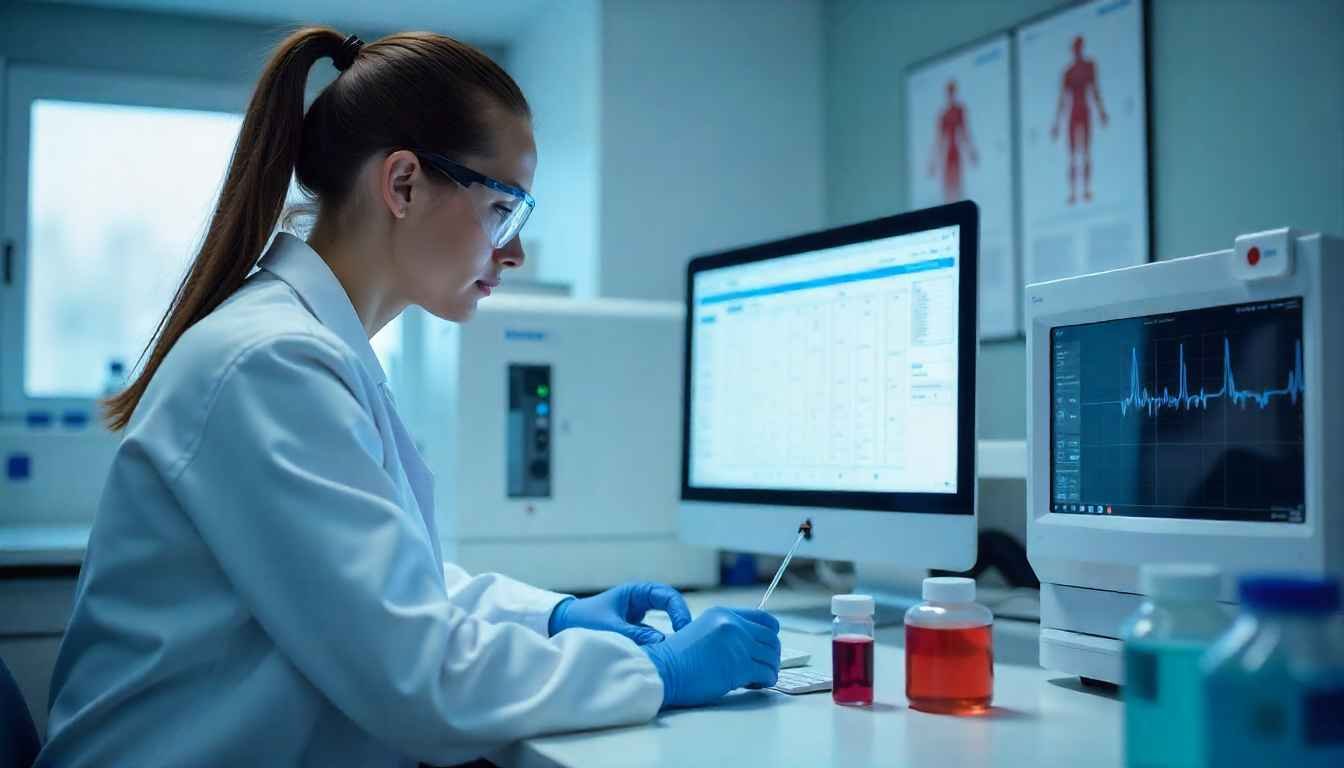
Hospitals and diagnostic labs rely on Chromatography Techniques to uncover underlying health conditions with precision.
Diagnostic Applications
- Blood or urine drug screening
- Hormonal level tracking (e.g., cortisol, estrogen)
- Pathogen detection through metabolite analysis
Benefits for Patients
- Faster diagnosis
- More accurate treatment plans
- Early detection of imbalances or disease
Real Impact: Mass spectrometry combined with chromatography can detect over 200 compounds in a single blood test.
Chromatography for Allergen and Food Sensitivity Testing
In an age of rising food allergies and intolerances, Chromatography Techniques offers a way to understand what your body can and cannot tolerate.
Uses
- Protein allergen detection (e.g., peanuts, gluten)
- Histamine intolerance verification
- Cross-contamination identification in processed foods
Methods
- Reversed-phase HPLC
- Ion-exchange chromatography
Real Scenario: A low FODMAP food brand uses Chromatography Techniques to test final products for the presence of fermentable sugars.
Advancing Plant-Based Medicine with Chromatography
From herbal remedies to cannabis products, Chromatography Techniques authenticates the therapeutic value of plant-based compounds.
How It’s Utilized
- Cannabinoid profiling
- Identifying active botanicals like flavonoids or alkaloids
- Ensuring pesticide-free formulations
| Plant | Active Compounds | Testing Method |
| Turmeric | Curcumin | HPLC |
| Cannabis | THC, CBD | GC-MS |
| Ginkgo Biloba | Terpenoids | TLC |
The rise of “clean label commitment” is enabled by chromatography-backed transparency.
Environmental Toxins and Detox Programs
Detoxification protocols often claim to cleanse heavy metals or pollutants from the body. Chromatography Techniques validates whether such treatments actually work.
Key Insights
- Toxin Load Testing: Evaluates levels of mercury, lead, and PCBs.
- Detox Tracking: Measures toxin reduction post-detox.
- Urine Analysis: Reveals excretory detox patterns.
Reminder: Without chromatography-based lab tests, detox claims are largely anecdotal.
Personalized Medicine and Biomarker Discovery
Chromatography Techniques is foundational in identifying biomarkers, the measurable indicators in the body guiding precision treatment.
How It Contributes
- Detects early disease signals
- Customizes treatment based on metabolic profiles
- Supports genomic and metabolomic data
Example: In oncology, chromatography identifies cancer biomarkers like HER2 in breast cancer patients, guiding targeted therapy.
Chromatography in Quality Assurance of Wellness Products
The wellness industry thrives on trust, and Chromatography Techniques ensures the authenticity and efficacy of supplements, creams, and functional foods.
Why It’s Important
- Prevents contamination
- Verifies natural claims
- Determines active ingredient bioavailability
| Product Type | Risk Without Chromatography | Verified Aspect |
| Herbal teas | Adulteration | Active compound analysis |
| Supplements | Mislabeling | Content validation |
| Skincare | Contamination | Preservative testing |
Trustworthy brands often display “third-party chromatography tested” on labels.
FAQs
What is the most commonly used chromatography technique in healthcare?
HPLC (High Performance Liquid Chromatography) is widely used due to its precision in drug analysis, clinical diagnostics, and supplement verification.
Can chromatography detect food allergies?
Yes, Chromatography Techniques can identify specific proteins or antigens in foods that may trigger allergic reactions.
Is chromatography used in COVID-19 testing?
While it’s not part of rapid PCR tests, Chromatography Techniques was used in 2020–2022 for detecting viral metabolites during research and development stages.
Are wellness brands legally required to use chromatography?
Not always, but it’s highly recommended and expected for products claiming purity or therapeutic value.
What’s the cost of a chromatography-based wellness lab test?
Depending on complexity, prices range from $50 (vitamin panels) to over $300 (full toxicology or metabolic profiling).
Conclusion
Chromatography techniques represent a powerful scientific tool that intersects with almost every aspect of health and wellness. From confirming the safety of drugs and supplements to diagnosing hidden nutrient imbalances, its role cannot be overstated.
As health-conscious consumers demand transparency, and as medicine moves toward personalization, chromatography provides the objective data needed to make smarter choices from the lab bench to the wellness aisle.
Whether you’re a healthcare professional, wellness entrepreneur, or simply an informed individual, understanding the impact of chromatography on health empowers you to embrace higher standards of care and well-being.
As innovations in healthcare and wellness continue to evolve, the demand for evidence-based practices will only grow stronger. Chromatography Techniques, with its unmatched ability to separate and analyze complex mixtures, stands at the forefront of this scientific progress. From enhancing product quality and safety to uncovering critical health insights, chromatography empowers researchers, clinicians, and consumers alike to make well-informed decisions. Embracing this technique not only elevates the integrity of wellness practices but also fosters a deeper connection between science and personal health.