Introduction
Have you noticed your nails looking thick, rough, or a strange reddish-brown color almost like gingerbread cookies? Maybe they break easily, feel uncomfortable, or seem unhealthy. This condition, often called “gingerbread nails disease,” is not a medical term, but it describes a real and visible issue. It may signal deeper health problems, nutritional deficiencies, or lifestyle factors that need fixing.
In our everyday lives, we often ignore signs our body gives us, especially our nails. But changes in the way your nails look and feel can be early warnings of more serious health issues. In this article, we’ll dive into what gingerbread nails disease really means, what could be causing it, and simple lifestyle steps you can take to improve nail health. We’ll also give you expert tips, share real examples, and answer common questions.
Let’s take your nail health seriously because healthy nails aren’t just pretty; they’re a sign of a healthy you.
What Is Gingerbread Nail Disease?
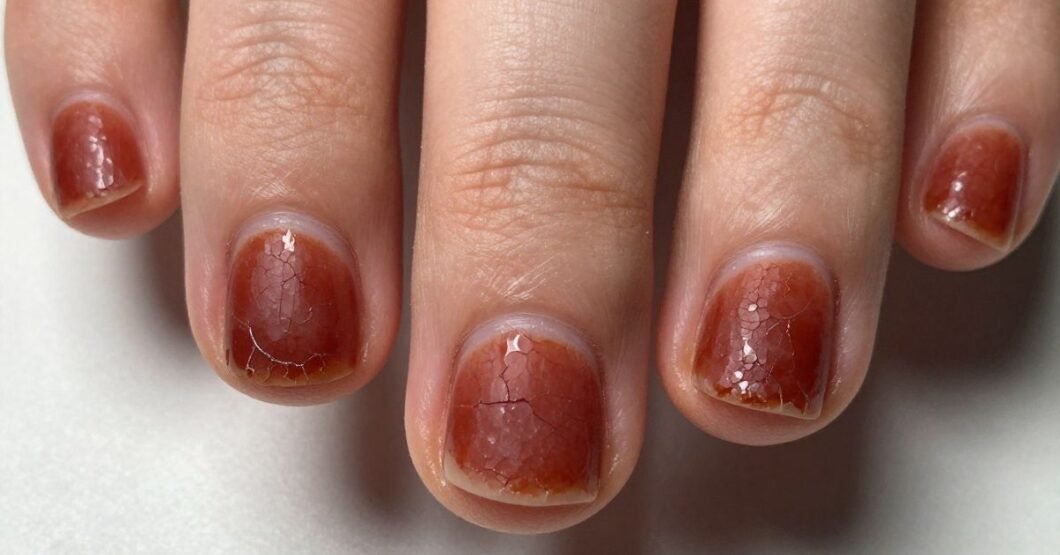
Gingerbread nails disease isn’t a recognized medical condition, but it’s a commonly used term to describe nails that look like gingerbread cookies thick, dry, brownish, and crumbly. People often notice these changes and wonder what’s going on.
Common Signs
- Nails turn dark brown or reddish
- Nail texture becomes rough or crumbly
- Nails grow thicker than normal
- Nail tips chip or break easily
- Discoloration extending under the nail bed
These symptoms could be linked to
- Fungal infections
- Psoriasis
- Nutritional deficiencies
- Other underlying health conditions
While the name sounds harmless, gingerbread nails disease shouldn’t be ignored. They may point to something more serious happening inside your body. Understanding the signs is the first step toward better nail and overall health.
What Causes Gingerbread Nails Disease to Form?
Multiple lifestyle and health factors can trigger these odd nail changes. Sometimes it’s a small daily habit, and sometimes it’s a deeper issue within the body. Understanding the cause is key to finding the right solution.
Possible Causes Include
- Fungal Infections: Nail fungus makes nails thick, discolored, and brittle.
- Vitamin Deficiency: Lack of biotin, zinc, or iron affects nail strength and color.
- Poor Nail Hygiene: Not keeping nails clean or dry can lead to infections.
- Thyroid Issues: Underactive thyroid affects skin and nail growth.
- Psoriasis or Eczema: Skin conditions also impact the nail bed.
- Aging: Older people may naturally get rougher nails due to slower growth.
- Smoking: Nicotine stains and weakens nails.
If your nails suddenly change in color or shape, it’s best to talk to a doctor. Early detection can stop future problems.
Lifestyle Habits That May Be Damaging Your Nails
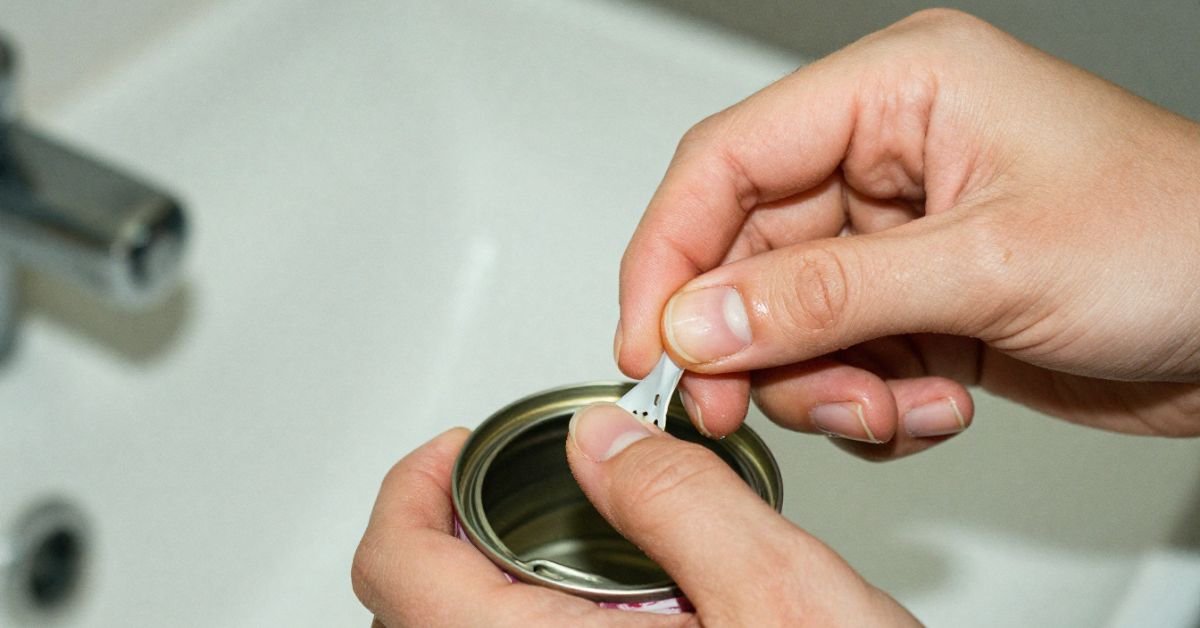
Many of our daily habits hurt nail health without us realizing it. From poor diet to bad grooming routines, we often overlook the little things that lead to “gingerbread nails disease.”
Habits That Make It Worse
- Biting nails or picking at cuticles
- Using nails as tools (to open cans, pry)
- Constant hand washing without moisturizing
- Not drying nails properly after showers
- Wearing tight, non-breathable gloves for too long
Protective Steps
- Keep nails trimmed and clean.
- Moisturize your hands and nails daily.
- Avoid harsh cleaning chemicals (use gloves).
- Don’t share nail clippers or files.
Your hands go through a lot and give them the care they deserve!
Nutritional Deficiencies That Impact Nail Health
Nutrition plays a huge role in how our nails look and grow. If you’re not getting the right vitamins or minerals, your nails will show it especially in cases like gingerbread nails disease.
Common Deficiencies Linked to Gingerbread Nails
| Nutrient | Role in Nail Health | Signs of Deficiency |
| Biotin (Vitamin B7) | Strengthens brittle nails | Thin, weak nails |
| Iron | Oxygen flow in blood | Spoon-shaped or brittle nails |
| Zinc | Repair and growth | White spots, slow nail growth |
| Protein | Builds nail cells | Thin, ridged nails |
Eat a balanced diet with leafy greens, eggs, nuts, beans, and lean meats. If needed, speak to a doctor before trying supplements.
Medical Conditions Related to Gingerbread-like Nail Changes
Sometimes thick, brown, or brittle nails signal an internal medical issue. Seeing strange changes like (gingerbread nails disease) means your body may be trying to tell you something.
Possible Conditions
- Onychomycosis (Nail Fungus)
- Psoriasis
- Eczema
- Lichen Planus
- Thyroid Disorders
- Liver or Kidney Issues
- Diabetes
These diseases can reduce blood flow, damage nail beds, or trigger inflammatory changes that affect your nails.
If nail changes are sudden, painful, or spreading ; book an appointment with a healthcare provider.
Natural Remedies to Try at Home
You can support your nails with simple, natural treatments. These don’t replace medical care when needed, but they help strengthen and soothe damaged nails.
Try These at Home
- Coconut Oil: Moisturizes and has antifungal properties.
- Tea Tree Oil: Fights fungal infections (use diluted).
- Olive Oil Soak: Soften brittle nails and hydrate.
- Apple Cider Vinegar: Slightly acidic; may help fight fungus.
- Aloe Vera Gel: Calms inflamed or irritated nails and cuticles.
Always test new remedies on a small patch first, especially if you have skin sensitivities.
Best Foods for Healthy Nail Growth
Your diet speaks through your nails. What you eat daily can directly influence your nail texture, thickness, and strength.
Top Nail-Friendly Foods
- Eggs: Full of biotin
- Spinach: Rich in folate and iron
- Salmon: Omega-3 fats for strong nails
- Pumpkin Seeds: Full of zinc
- Yogurt: Adds calcium and proteins
- Sweet Potatoes: High in Vitamin A
Balanced meals support not just nail health but also your energy, skin, hair, and immune system too!
When to See a Doctor About Nail Changes
Not all nail changes are harmless. If your nails look like “gingerbread” for over a few weeks or start hurting, it’s time to see a dermatologist.
Warning Signs to Watch For
- Pain or swelling around nails
- Yellow, green, or black discoloration
- Deep ridges or splitting down the middle
- Nails lifting from the nail bed
- Bleeding or pus under the nail
Even if you think it’s just fungus, a proper diagnosis can make all the difference. Doctors may do a nail scraping or biopsy to check what’s going on.
Real People Who Reversed Their Nail Damage
Let’s look at a real-life case to see how addressing simple lifestyle factors made big changes in nail health.
Ella, 42 – Busy Office Manager
Before After 3 Months Thick, crumbly nails Strong, smooth nails Red-brown discoloration Natural pink color Frequent breakage Rarely breaks
What She Changed
- Added biotin supplement
- Ate more protein
- Moisturized hands twice daily
- Reduced exposure to cleaning chemicals
With daily care, “gingerbread nails” faded, and strong, healthy nails grew back.
Prevention
Good nail care is more than just looks, it keeps your hands healthy for life. Whether you’ve fixed your nails or want to prevent damage, follow these easy tips.
Top Tips for Prevention
- Don’t forget your hands in your skincare routine.
- Trim nails regularly don’t let them grow long and weak.
- Keep cuticles clean but never cut them too deep.
- Avoid polish that chips your nails often.
- Take your vitamins regularly.
- Stay hydrated. Your nails need water too!
Healthy nails mean a healthy you from the inside out.
FAQs
Is “gingerbread nail disease” an actual medical diagnosis?
No, it’s not a medical term. It describes how nails look brown, thick, and brittle due to conditions like fungus or deficiencies.
Can nail fungus really make nails look like gingerbread?
Yes! Fungal infections can make nails thick, discolored, and crumbly similar to the look of gingerbread nails.
Will vitamins help my broken or weak nails?
They can! Biotin, iron, and zinc are essential for stronger nails. Always ask a doctor before taking supplements.
Can nail changes signal something serious?
Yes. Some nail issues are linked to thyroid problems, diabetes, or skin disease. If nail changes come with pain or swelling, get them checked.
Is it safe to treat gingerbread nails disease at home?
Mild cases might improve with natural care, but stubborn or painful cases need medical treatment.
Conclusion
Taking care of your nails isn’t just about beauty, it’s about health. If your nails are showing signs of “gingerbread nail disease,” like brittleness, discoloration, or rough texture, don’t ignore them. They might be your body’s method of alerting you to a problem.
The good news? Simple lifestyle changes, better nutrition, and gentle care can make a big difference. If nail damage seems serious, speak with a doctor early on. Healthy nails restore more than confidence; they reflect your inner wellness.
Start caring for your nails today, and they’ll thank you tomorrow.