Introduction
In the digital universe where identity has become a critical asset, the term “temey_07” is emerging as an interesting concept that may reflect the next phase of how we manage, protect, and move our digital selves across platforms.
Where traditional usernames are fixed, local, and limited by platform constraints, it acts as a symbol of what a modern “user identity” should be: adaptable, portable, intelligent, and privacy-respecting. Whether it’s used in gaming environments, smart contracts, online ecosystems, or AI systems, temey_07 may represent the building blocks for programmable, multi-dimensional identities that operate autonomously.
Let’s explore what temey_07 actually is (and isn’t), why it matters in the context of modern tech, and how developers, enterprise teams, and even end users can benefit from its logic.
What Is Temey_07, and What Makes It Important?
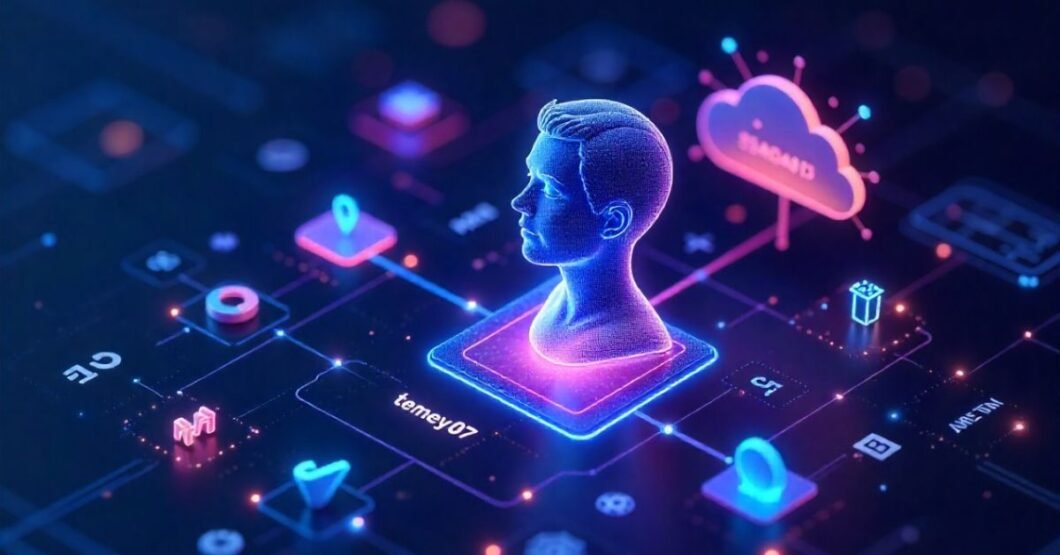
At first glance, temey_07 might look like an online username. But from a technology standpoint, it’s better understood as a conceptual and architectural identity model. Think of it like a portable identity token that can move fluidly across various environments from browsers and mobile apps to decentralized networks and IoT devices.
Features that could define temey_07 in system design:
- A persistent alias with no direct link to PII (Personal Identifiable Info)
- Ability to carry metadata like trust levels, usage patterns, or preferences
- Operates across Web2 and Web3 platforms
- Enables zero-trust security principles to authenticate identity contextually
- Attachable to both human and machine identities (important for AI/IoT)
The Historical Evolution of Digital Identity
Since the early days of usernames and passwords on the Internet, we’ve evolved toward:
- Email-based signups
- Social logins (Google, Facebook)
- Identity providers (Auth0, Firebase)
- Open standards (OAuth 2.0, OpenID Connect)
- Decentralized Identities (DIDs via blockchain or distributed ledger)
Each generation has attempted to solve a core set of identity problems: trust, portability, security, and user control.
Yet, we’re still fragmented.
It represents a shift away from dependency on centralized ID providers and toward self-defining, multi-platform presence.
Breaking Away: How temey_07 Challenges Traditional Models
Let’s break down where traditional identity systems fall short—and what temey_07’s logic solves.
| Identity Problem | Traditional Models | temey_07 Solution |
| Central Control | Controlled by providers (Google/Facebook) | Decentralized / Self-assigned |
| Cross-platform Movement | Difficult or impossible | Native or protocol-driven mapping |
| Data Privacy | Often exposed or sold | Encrypted / user-controlled distribution |
| Metadata + Flexibility | Limited to static fields | Dynamic, programmable layers |
| Smart System Integration | No AI-ready support | Context-aware, interactable |
With the rise of smart assistants, virtual agents, and programmable APIs, temey_07 offers the flexibility to act as both an identifier and an actor meaning it can hold logic, roles, privileges, and history beyond a traditional name or handle.
Think identity, reputation, access, and even ownership all packed in one lightweight, reusable alias.
Decentralized Web (Web3 Identity)
In Web3, identity is more than just logging in, it’s about digital sovereignty.
Imagine:
- Owning your smart-contract access history under temey_07
- Interacting with DeFi platforms with contextual permissions
- Governing NFTs and asset transfers through alias-auth bound logic
In such an environment, Temey_07 acts almost like a dynamic DID, orchestrating:
- Wallet connections
- Social graphs
- Voting rights in DAOs
- On-chain governance participation
Gaming & Metaverse Environments
What if one persona could follow you across multiple games/platforms?
With temey_07-based logic:
- Your scores, inventory, and achievements could be reflected in the chain.
- Your in-game name has interoperable extensions.
- Game mechanics can read/write to a reputation-rich identifier rather than start fresh with every login.
Already platforms like Epic Games and Roblox are moving toward account sync, but temey_07 goes further—it makes each digital representation programmable and context-aware, a universal identity layer with user-defined privacy scopes.
Implementing Temey_07 as a Logical Identity System
If we treat temey_07 as more than a name, how do we build a system around it?
Suggested Architecture:
- Alias Generator → Randomized, non-PII
- Metadata Layer → Includes trust level, usage logs, defined scopes
- Tokenization Layer → OIDC / JWT / DID-based key signature
- Encryption Engine → Local encryption (AES or Homomorphic)
- Behavioral Analytics Hook → Connects reputation inputs/logs.
- Permissions API Gateway: For interacting apps and services
This architecture creates a non-traceable but functional identity model—a system that can interact securely and intelligently across platforms.
Comparing Temey_07 With OAuth, DIDs, and UUIDs
| Feature / Metric | OAuth/OpenID | DID | UUID | temey_07 |
| Human Readable | No | No | No | Possibly |
| PII Linked | Often | No | No | No |
| Application-Wide Use | Yes (oauth scope) | Limited | Internal app use | Cross-service ready |
| Reputation Layer Included | No | No | No | ✅ Yes |
| Zero-Knowledge Option | No | Possible | No | ✅ Secure Capability |
| Mutable Metadata | No | Limited | Static | ✅ Programmable |
Key Challenges: Adoption, Security, and Interoperability
Nothing is perfect. Implementing temey_07-type frameworks might face:
- Low developer familiarity with decentralized tech
- Lack of UI/UX standards for new ID systems
- Security challenges in hashing, token binding & leakage
- Interoperability breakdowns when platforms don’t accept third-party identifiers
- Data misuse risks even with privacy layers, if apps don’t comply
Solution:
- Build open APIs
- Use DID / OAuth integration bridges.
- Educate through SDKs and templates
- Push standardization through trusted foundations (like W3C or Ethereum Name Service—ENS)
The Future of Identity Layers in AI, IoT, and Smart Systems
It aligns deeply with emerging models where identities aren’t just for people but machines.
In AI:
- A model using temey_07-like tokens can understand different user contexts.
- AI agents can use smart IDs to filter, trust, and prioritize actions.
In IoT Devices:
- Sensors, drones, and devices can use unique aliases like temey_07 to authenticate and report.
- Helps in preventing spoofing or rogue device injections
In Autonomous Vehicles:
- temey_07 IDs can be used for vehicle-to-network (V2X) communications to access tolls, updates, or restricted areas.
Identity is the fabric of future interaction. If done right, It (and similar innovations) might serve as the passport, health record, and access point merged in one.
Summary, Takeaways, and What to Do Next
It represents a non-toxic evolution of digital identity. By removing our dependence on corporate logins and static values, it introduces:
- Modular, encrypted identities
- Reputation-carrying aliases
- API-friendly, cross-system trust scores
- Privacy-centric control by the end user
- The potential to be human and machine-readable
Whether it’s a protocol, a framework, or just a symbolic spec, the logic behind temey_07 is here to stay.
FAQs
Is temey_07 a new technology or just a term?
It’s currently a conceptual framework, but components exist in DID, OpenID, and Web3.
Can this identity carry data or permissions?
Yes, the identity alias can include metadata, roles, and access controls.
Is it secure?
With tokenization and encryption layers yes, but it depends on implementation.
How can I use it?
Start by experimenting with decentralized identifiers or API-based aliases in apps.
Will it replace OAuth or other logins?
Not replace, but possibly layer on top to offer smarter identity inheritance.
Conclusion
In today’s rapidly evolving digital landscape, identity is no longer static, it’s an adaptable, secure, and smart layer that moves with users across every platform they touch. Temey_07 symbolizes this new era of identity: modular, cross-platform, privacy-respecting, and most importantly, user-controlled.
By bringing together concepts from decentralized identifiers, smart identity architecture, and real-time permission flows, It is much more advanced than old-fashioned usernames or login systems. It offers a glimpse into how the digital identity layer of the future could work unifying trust, control, and interoperability into one seamless framework.