
Introduction
In a world filled with constant notifications, social pressure, and emotional overload, many people feel disconnected from themselves and from true peace. We often look outward for solutions to stress, anxiety, and dissatisfaction, yet the most powerful answers lie within. This is where Antarvwsna becomes transformative.
Antarvwsna is a conscious practice of deep inner reflection and self-awareness. It encourages individuals to pause, examine their thoughts and emotions, and understand the deeper motivations behind their actions. Rather than reacting impulsively, this practice fosters clarity, balance, and emotional intelligence.
As mental health concerns continue to rise globally, practices that cultivate self-awareness are becoming essential not optional. In this comprehensive guide, you will explore the meaning, psychological relevance, health benefits, practical techniques, and real-life impact of Antarvwsna. Whether your goal is stress reduction, emotional healing, or personal growth, this article will provide actionable insights grounded in both ancient wisdom and modern science.
Understanding Antarvwsna
Antarvwsna is centered on intentional inner inquiry. It goes beyond casual thinking and involves structured self-examination aimed at improving mental and emotional clarity.
At its heart, Antarvwsna encourages the following:
- Observing thoughts without judgment
- Identifying emotional triggers
- Questioning limiting beliefs
- Aligning actions with personal values
- Developing emotional maturity
Unlike overthinking, which is often repetitive and unproductive—this reflective practice is purposeful. It asks meaningful questions, such as:
- Why did this situation upset me?
- What belief is influencing my reaction?
- Is this response aligned with my true self?
Core principles include the following:
- Self-honesty: Facing uncomfortable truths with courage
- Mindful awareness: Staying present with thoughts and emotions
- Personal accountability: Taking responsibility for growth
- Compassionate reflection: Avoiding harsh self-criticism
From a health perspective, self-awareness is linked to improved emotional regulation and lower stress levels. Research published by the American Psychological Association shows that reflective practices improve decision-making and resilience.
Its empowers individuals to shift from unconscious reactions to conscious responses, creating long-term psychological strength.
Historical Roots and Philosophical Background
The concept of deep introspection has existed for thousands of years across various cultures. While Antarvwsna may have roots in Eastern contemplative traditions, its essence is universal.
Ancient philosophies emphasized knowing oneself as the foundation of wisdom:
- Yogic philosophy promoted Svadhyaya (self-study).
- Buddhist teachings encouraged insight meditation.
- Greek philosopher Socrates famously stated, “Know thyself.”
- Stoic thinkers practiced daily reflective journaling.
These traditions understood that external peace begins with internal clarity.
In modern times, psychology has validated these ancient insights. Therapeutic models such as Cognitive Behavioral Therapy (CBT) rely heavily on examining thoughts and emotional patterns. The underlying principle remains the same: awareness precedes change.
Historically, introspection was not considered a luxury but a necessity for the following:
- Ethical decision-making
- Emotional discipline
- Spiritual development
- Social harmony
By combining timeless wisdom with contemporary mental health knowledge, It becomes highly relevant for modern lifestyles.
Its philosophy teaches that transformation does not begin with controlling circumstances but with understanding oneself.
The Role of Antarvwsna in Modern Mental Health
Mental health challenges such as anxiety, burnout, and emotional instability often arise from unexamined thoughts and suppressed emotions. Antarvwsna directly addresses this issue by encouraging proactive self-examination.
Common psychological struggles today include:
- Chronic stress
- Overthinking
- Emotional reactivity
- Lack of purpose
- Low self-esteem
Through consistent reflective practice, individuals develop:
- Emotional regulation skills
- Stronger self-identity
- Reduced impulsivity
- Greater resilience
Harvard Health Publishing highlights that mindfulness-based introspection reduces stress hormones and improves cognitive flexibility.
When people pause to analyze their emotional responses, they reduce the likelihood of destructive behavior patterns. Instead of reacting with anger or fear, they respond with understanding.
It acts as preventive mental health care. By recognizing harmful thought cycles early, individuals can reframe negative beliefs before they escalate into serious mental health concerns.
In essence, it strengthens the psychological immune system.
Scientific Insights: How Inner Reflection Changes the Brain
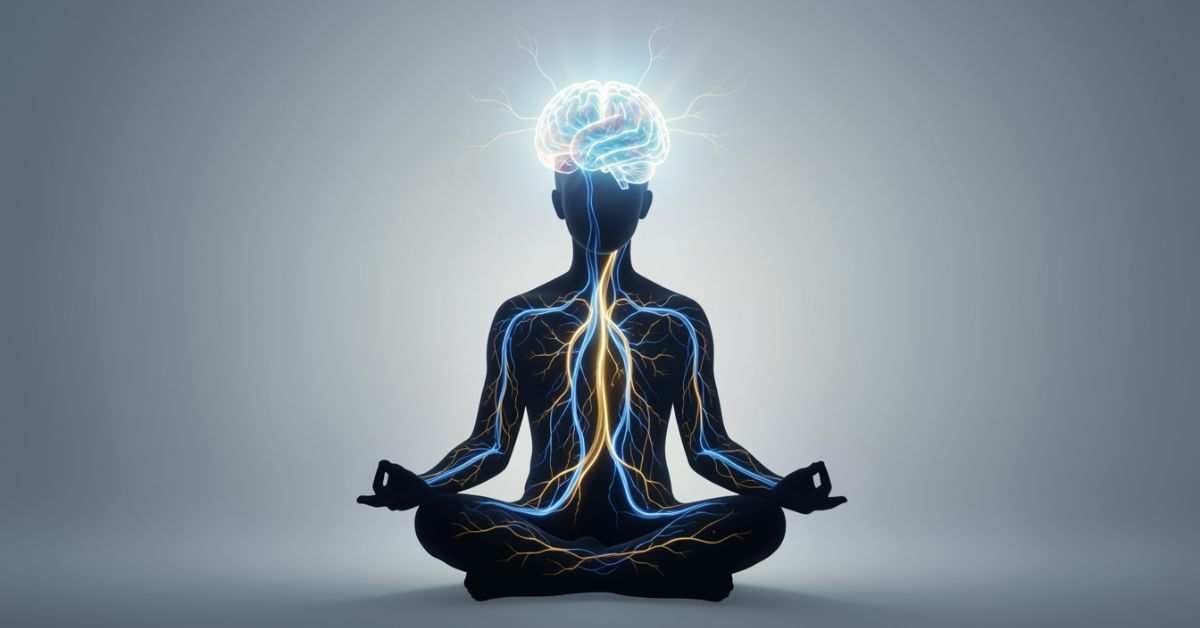
Neuroscience confirms that structured reflection reshapes the brain.
When practicing intentional introspection:
- The prefrontal cortex becomes more active (responsible for rational thinking).
- The amygdala, which is the brain region responsible for processing fear and stress, shows reduced reactivity.
- Neural pathways for emotional regulation strengthen over time, leading to improved emotional resilience and better coping strategies in stressful situations.
Studies in Frontiers in Psychology demonstrate that reflective journaling improves cognitive processing and emotional stability.
Regular practice leads to:
- Improved decision-making
- Enhanced impulse control
- Better emotional balance
- Lower stress response
This neurological shift explains why people who practice self-awareness report long-term improvements in mental well-being.
It is not merely philosophical, it is biologically transformative. By consistently engaging in structured self-reflection, you are effectively training your brain for resilience.
Key Health Benefits of Antarvwsna
The benefits of Antarvwsna extend beyond mental clarity and into overall health.
Below is a comparison of how inner reflection impacts different areas of well-being:
| Area of Health | Without Reflection | With Antarvwsna Practice |
| Stress Levels | Frequent overwhelm | Greater calm and stability |
| Emotional Control | Reactive behavior | Thoughtful responses |
| Sleep Quality | Restless thinking | Improved relaxation |
| Self-Confidence | Self-doubt | Clearer self-understanding |
| Relationships | Miscommunication | Empathetic interaction |
Primary benefits include
- Reduced anxiety symptoms
- Improved emotional intelligence
- Enhanced communication skills
- Stronger personal boundaries
- Better stress management
By understanding your internal world, you gain control over external behavior.
Consistent practice also supports physical health by lowering cortisol levels, which are linked to hypertension and sleep disturbances.
its promotes harmony between mind and body.
Antarvwsna vs Meditation and Mindfulness
Many people confuse introspective reflection with meditation. While related, they are distinct practices.
| Aspect | Antarvwsna | Meditation |
| Primary Goal | Self-understanding | Mental calm |
| Process | Active questioning | Passive observation |
| Focus | Thought analysis | Breath or mantra |
| Outcome | Behavioral insight | Relaxation and focus |
Meditation often quiets the mind. Its investigates the content of the mind.
For best results, the two can be combined:
- Meditate to calm thoughts.
- Practice reflective questioning afterward.
This integrated approach maximizes mental clarity and emotional growth.
How to Practice Antarvwsna Daily
Starting does not require special tools only intention and consistency.
Step-by-Step Practice
- Choose a quiet space.
- Set a timer for 10–15 minutes.
- Reflect on your day’s strongest emotional moment.
- Ask: What triggered this feeling?
- Write your observations in a journal.
Assisting reflection prompts:
- What belief influenced my reaction?
- Did I respond or react?
- What could I improve tomorrow?
Practical tips:
- Practice at the same time daily.
- Avoid self-criticism.
- Focus on patterns, not isolated events.
Consistency builds clarity.
Real-Life Impact of Antarvwsna
Corporate Burnout Recovery
Profile: 38-year-old executive experiencing chronic stress
Approach: Daily 15-minute reflective journaling
Results after 12 weeks:
- Noticeable reduction in irritability
- Improved work-life balance
- Better sleep patterns
Anxiety Management
Profile: University student with social anxiety
Approach: Weekly guided introspection sessions
Results:
- Identified fear of rejection
- Reframed negative self-beliefs
- Increased social confidence
These examples show how structured self-awareness can create measurable improvements in emotional health.
Common Challenges and How to Overcome Them
Beginners may face obstacles such as:
- Overthinking instead of structured reflection
- Emotional discomfort
- Inconsistency
- Self-judgment
Solutions include:
- Keeping sessions brief initially
- Using guided prompts
- Practicing self-compassion
- Seeking professional support if needed
Discomfort often signals growth. The key is to remain patient and gentle with yourself.
It is a gradual process not an instant fix.
Integrating Antarvwsna into a Holistic Lifestyle
For maximum health benefits, combine Antarvwsna with the following:
- Regular physical exercise
- Balanced nutrition
- Mindfulness meditation
- Quality sleep habits
- Professional counseling when required
The World Health Organization emphasizes preventive mental health strategies. Reflective practices align perfectly with this preventive model.
By integrating inner reflection into daily routines, individuals build long-term resilience and emotional balance, which can lead to improved mental health and a greater ability to cope with stress and challenges in life.
Antarvwsna becomes not just a practice but a lifestyle of conscious living.
FAQs
Is Antarvwsna suitable for beginners?
Yes. Anyone can start with simple reflective questions and short daily sessions.
How often should I practice it?
Daily practice is ideal, but even 3–4 times per week can produce benefits.
Can it help with anxiety?
Yes. Structured reflection helps identify triggers and reframe negative thought patterns.
Do I need a teacher or therapist?
Not necessarily, but professional guidance can deepen the experience.
Is Antarvwsna the same as overthinking?
No. Overthinking is repetitive and unproductive, while Antarvwsna is intentional and solution-focused, aiming to foster personal growth and clarity in decision-making.
Conclusion
Antarvwsna is a powerful health-focused practice that cultivates inner awareness, emotional balance, and psychological resilience. In a distracted and overstimulated world, it offers clarity and calm by guiding individuals inward.
Through structured reflection, scientific validation, and consistent application, this practice strengthens mental health, improves relationships, and enhances overall well-being. By understanding your thoughts and emotions, you gain the power to transform them.