
Introduction
In today’s hyper-connected digital economy, organizations face a dual challenge: defending against evolving cyber threats while making intelligent, data-driven financial decisions. At the same time, they must automate processes to stay competitive and reduce operational costs. Dowsstrike2045 Python emerges as a forward-thinking concept that unifies cybersecurity, automation, and financial analytics into one powerful Python-driven ecosystem.
Rather than being a standalone product, It represents a strategic framework built on Python’s extensive ecosystem of libraries and tools. It empowers businesses to detect threats in real time, automate repetitive workflows, and analyze financial data using machine learning models all within a scalable infrastructure.
This guide explores how this integrated model works, why it matters in modern technology environments, and how professionals in cybersecurity, fintech, and DevOps can implement it effectively. By the end, you’ll understand how Dowsstrike2045 Python can strengthen security posture, enhance financial forecasting, and streamline digital operations.
What Is Dowsstrike2045 Python?
Dowsstrike2045 Python is a conceptual technology framework that merges three critical domains: cyber defense automation, financial intelligence, and scalable workflow orchestration using Python-based tools.
At its foundation, it leverages Python because of its versatility, readability, and strong support community. Python has become a dominant language in cybersecurity scripting, data science, and automation engineering. By combining these disciplines, the Dowsstrike2045 Python model creates an integrated, intelligent operational system.
Core characteristics
- Modular architecture adaptable to different industries
- API-driven integrations with financial and security platforms
- Real-time monitoring and automated alert systems
- Machine learning–powered anomaly detection
- Cloud-ready deployment strategies
Unlike traditional siloed systems where security, finance, and automation operate independently, this model connects them into one cohesive pipeline. For example, a suspicious financial transaction can automatically trigger both fraud detection algorithms and cybersecurity checks.
This convergence reflects the evolution of DevSecOps and intelligent fintech ecosystems. As digital transformation accelerates, unified systems like Dowsstrike2045 Python reduce complexity while increasing efficiency, security, and strategic insight.
Cybersecurity Foundation of Dowsstrike2045 Python
Cybersecurity forms the backbone of Dowsstrike2045 Python. Modern cyber threats demand automated detection and rapid response capabilities, and Python excels in this domain.
Security teams use Python to write scripts that monitor network traffic, analyze logs, and detect unusual behaviors. Instead of manually reviewing thousands of entries, automated scripts process data in seconds.
Common cybersecurity applications within this framework include:
- Automated vulnerability scanning
- Real-time intrusion detection
- Log analysis and threat intelligence aggregation
- Encryption and secure data handling
- Incident response automation
Popular Python libraries for security tasks include Scapy for packet analysis, cryptography for encryption protocols, and requests for API security testing. These tools enable rapid prototyping and scalable deployment.
The result is improved mean time to detect (MTTD) and mean time to respond (MTTR). By integrating financial transaction monitoring with cybersecurity automation, organizations create a layered defense system that protects both data and capital.
Intelligent Automation with Python
Automation is the operational engine that drives Dowsstrike2045 Python. In complex enterprise environments, repetitive tasks slow productivity and increase the risk of mistakes. Python-based automation eliminates these inefficiencies.
Using workflow orchestration tools and scheduled scripts, organizations can streamline daily processes. Instead of manually generating compliance reports or extracting financial data, automated systems handle these tasks reliably.
Key automation capabilities
- Scheduled security scans
- Automated financial report generation
- API-based data extraction
- Intelligent alert notifications
- Continuous compliance monitoring
Tools such as Apache Airflow manage task pipelines, while Selenium enables browser automation for data retrieval. Celery supports distributed task processing in large systems. The business benefits are substantial. Automation reduces labor costs, accelerates reporting cycles, and enhances operational consistency. In fintech environments, even minor efficiency improvements can translate into significant cost savings.
By embedding automation directly into security and financial workflows, It ensures that operations remain scalable and resilient under increasing workloads.
Financial Analytics and Market Intelligence
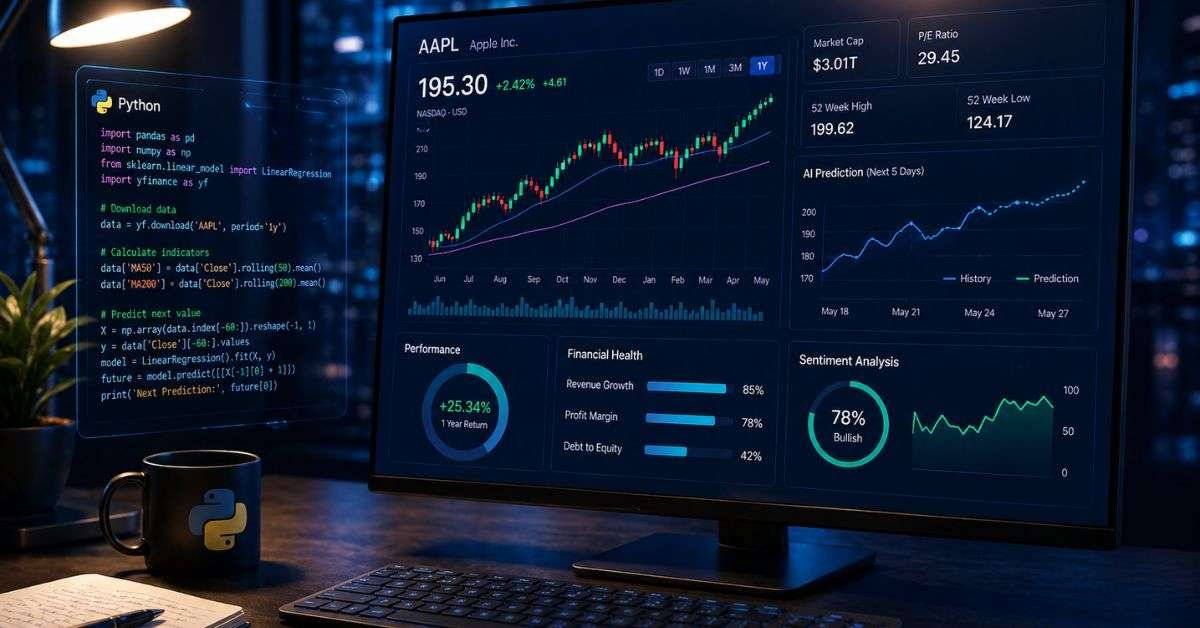
Financial intelligence is another defining component of Dowsstrike2045 Python. Python dominates financial data science because of its extensive ecosystem for analytics and modeling.
Libraries such as Pandas and NumPy allow rapid processing of large datasets, while visualization tools like Matplotlib and Seaborn provide actionable insights. Machine learning frameworks such as Scikit-learn and TensorFlow enable predictive analytics.
Use cases within financial environments include:
- Algorithmic trading model development
- Risk scoring and portfolio optimization
- Fraud detection systems
- Market sentiment analysis
- Forecasting using historical data
The advantage lies in integration. Financial data processing doesn’t operate in isolation—it connects with cybersecurity monitoring and automation workflows.
Traditional Systems vs Dowsstrike2045 Python
| Feature | Traditional Financial Systems | Dowsstrike2045 Python Approach |
| Data Processing | Batch-based | Real-time pipelines |
| Automation | Limited | Fully integrated |
| AI Capabilities | Expensive add-ons | Built-in ML libraries |
| Security Monitoring | Separate system | Unified framework |
| Scalability | Hardware-dependent | Cloud-native |
This integration enables faster decision-making and improved accuracy in financial operations.
AI and Machine Learning Integration
Artificial intelligence strengthens the predictive power of Dowsstrike2045 Python. Machine learning models can identify patterns invisible to traditional rule-based systems.
Within this framework, AI supports both cybersecurity and finance by:
- Detecting anomalies in transaction data
- Predicting cyberattack patterns
- Identifying fraudulent behavior
- Performing sentiment analysis on market news
For example, anomaly detection algorithms can flag unusual login behavior while simultaneously analyzing related financial transactions. This layered intelligence reduces risk exposure.
Case Study: A fintech startup implemented machine learning–based fraud detection integrated with automated security scripts. Within six months, it achieved a 35% reduction in fraudulent transactions and improved detection speed by 50%.
By combining AI with automation, organizations move from reactive security to predictive intelligence, an essential shift in modern digital ecosystems.
DevSecOps and Cloud Infrastructure
Dowsstrike2045 Python thrives in DevSecOps environments, where development, security, and operations collaborate continuously.
Cloud platforms such as AWS, Azure, and Google Cloud support scalable deployment of automated Python applications. Containerization with Docker ensures consistency across environments.
Core DevSecOps practices include
- Continuous integration and deployment (CI/CD)
- Automated security testing
- Infrastructure as Code (IaC)
- Centralized monitoring dashboards
This integration enables rapid updates without compromising security. For example, when a vulnerability is detected, automated scripts can deploy patches across systems instantly.Cloud-native infrastructure also enhances resilience. Systems scale automatically during high transaction volumes, ensuring stable performance in financial markets.
By embedding security checks directly into development pipelines, Dowsstrike2045 Python aligns with modern best practices recommended by industry leaders such as NIST (nist.gov).
Enterprise Applications Across Industries
The Dowsstrike2045 Python model is adaptable across multiple sectors. Its flexibility allows customization for specific regulatory and operational needs.
Industries benefiting from this framework include:
- Banking and fintech
- Healthcare IT systems
- Government cybersecurity units
- E-commerce platforms
- Investment firms
Case Study: A mid-sized bank implemented automated compliance monitoring and transaction anomaly detection using Python-based workflows. Within one year, operational costs dropped by 40%, and audit preparation time was reduced significantly.
The framework’s modular design makes it suitable for both startups and large enterprises. Smaller organizations benefit from cost efficiency, while larger institutions gain scalability and robust security architecture.
Performance Metrics and ROI
Measuring performance ensures long-term sustainability. It emphasizes quantifiable improvements in efficiency and security.
Important metrics include
- Mean Time to Detect (MTTD)
- Mean Time to Respond (MTTR)
- Fraud detection accuracy rate
- Automation coverage ratio
- System uptime percentage
ROI Comparison Table
| Metric | Before Implementation | After Implementation |
| Incident Response Time | 6 hours | 1.5 hours |
| Fraud Detection Rate | 68% | 92% |
| Manual Work Hours | 40+ weekly | 10 weekly |
| Operational Costs | High | Reduced by 30–40% |
These measurable improvements demonstrate tangible returns on investment, particularly in high-risk financial environments.
Challenges and Risk Management
Despite its advantages, implementing Dowsstrike2045 Python requires careful planning. Organizations may encounter integration complexity and skill shortages. Common challenges involve aligning compliance requirements, ensuring data privacy, and preventing AI model bias. Strong governance and regular code audits are essential.
Mitigation strategies include ongoing developer training, encrypted data pipelines, and adherence to standards such as GDPR and SOC 2. Transparent documentation enhances accountability.By addressing these risks proactively, businesses can maximize benefits while maintaining trust and regulatory compliance.
Future Trends and Strategic Outlook
The future of Dowsstrike2045 Python aligns with broader technology trends. As artificial intelligence evolves and cybersecurity threats become more advanced, integration will become even more critical. Emerging developments include zero-trust architecture, quantum-resistant encryption, autonomous financial trading systems, and edge computing integration.
Organizations that adopt intelligent automation and AI-driven cybersecurity early will gain competitive advantages. The ability to combine predictive analytics with automated defense mechanisms will define the next generation of digital enterprises. It represents not just a framework but a strategic vision for secure, intelligent, and scalable digital operations.
FAQs
Is Dowsstrike2045 Python an actual software tool?
It is a conceptual framework combining Python-based cybersecurity, automation, and financial analytics tools rather than a single product.
What skills are required to implement it?
Professionals need Python programming knowledge, data analysis expertise, cybersecurity fundamentals, and familiarity with cloud platforms.
Can small businesses adopt this model?
Yes. Automation and Python’s open-source ecosystem make it cost-effective for startups and SMEs.
Is Python secure for financial systems?
When implemented with encryption standards and secure coding practices, Python is widely trusted in fintech environments.
How does it differ from traditional systems?
It integrates security, automation, and financial intelligence into one unified pipeline instead of operating them separately.
Conclusion
Dowsstrike2045 Python represents the convergence of cybersecurity automation, financial intelligence, and AI-driven analytics within a unified Python ecosystem. In an era defined by digital risk and data-driven strategy, such integration is no longer optional, it is essential.
By leveraging Python’s powerful libraries, cloud-native deployment models, and machine learning frameworks, organizations can reduce operational costs, enhance security resilience, and gain real-time financial insight. Case studies and performance metrics demonstrate measurable improvements in fraud detection, response time, and overall efficiency.
As a technology-focused framework aligned with modern DevSecOps and fintech best practices, Dowsstrike2045 Python offers a scalable roadmap for future-ready enterprises. Businesses that embrace intelligent automation and integrated security today will be better positioned to thrive in tomorrow’s digital economy.